
The Evolution of New Year Celebrations: From Historic Traditions to Modern Resolutions
New Year’s Eve is a moment filled with anticipation, reflection, and hope. Every year, millions around the world gather to mark the passage of time and welcome a fresh start. But the way we celebrate has changed dramatically over the centuries. From the origins of the Times Square ball drop to the rise of personal resolutions and the influence of technology, New Year’s celebrations reveal much about our culture and values. This post explores how these traditions evolved, what they mean today, and how they might continue to change in the future.
The Origins of the Times Square Ball Drop and Its Historical Roots
The Times Square ball drop is one of the most iconic New Year’s traditions in the United States. It began in 1907, but its roots trace back to earlier timekeeping practices from the 1800s. Before the ball drop, people used various signals to mark the exact moment the new year began, often relying on church bells or fireworks.
The idea of dropping a ball to signal time originated from maritime practices. Ships used time balls to help sailors synchronize their chronometers. These balls would drop at a precise time each day, allowing ships in port to set their clocks accurately. This practical tool inspired the New York Times to create a public spectacle that combined precision with celebration.
The first Times Square ball was made of iron and wood, weighed 700 pounds, and was illuminated with 100 light bulbs. Over the years, the ball has evolved in design and technology, now featuring LED lights and weighing nearly 12,000 pounds. Despite these changes, the core purpose remains the same: to mark the exact moment the new year begins, uniting millions in a shared experience.
How New Year’s Resolutions Reflect Changing Societal Values
New Year’s resolutions have long been a way for people to set goals and improve themselves. Traditionally, these resolutions focused on personal habits like quitting smoking or exercising more. Today, they often reflect broader societal values, including community responsibility and mental well-being.
Many resolutions now emphasize balance, kindness, and sustainability. For example, people commit to reducing waste, volunteering, or practicing mindfulness. These shifts show how personal improvement has expanded to include concern for others and the environment.
The rise of social media has also influenced resolutions. Sharing goals publicly can create accountability and foster support networks. However, it can also add pressure to present a perfect image. Despite this, the underlying theme remains: New Year’s resolutions are a way to reflect on the past and commit to growth.
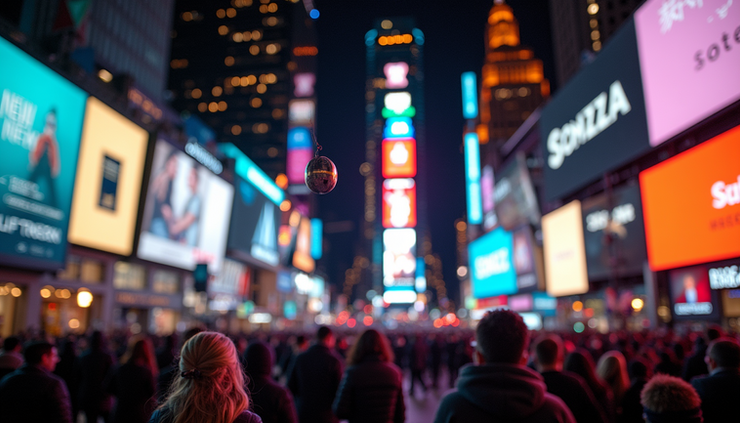
The Times Square ball glowing brightly as it descends at midnight, uniting crowds in celebration.
The Impact of Technology and AI on New Year’s Celebrations in 2026
Technology has transformed how we celebrate New Year’s. In 2026, artificial intelligence (AI) and digital innovations are playing a bigger role than ever. Virtual reality experiences allow people to join celebrations worldwide without leaving home. AI-powered apps help track resolutions, suggest personalized goals, and even offer motivational coaching.
Live streams and interactive platforms connect global audiences, making celebrations more inclusive. For example, people can watch the Times Square ball drop from anywhere and participate in virtual countdowns with friends and family.
However, these advances come with challenges. Cybersecurity threats increase during major events, as hackers target online platforms for disruption or data theft. Organizers must invest in strong protections to keep celebrations safe and enjoyable.
Despite these risks, technology enhances the spirit of connection and renewal that defines New Year’s Eve. It offers new ways to share joy and hope, even in a complex digital world.

Personal Reflection: Preparing for a Round of Golf at Panther Run Golf Club
As I prepare for a round of golf at Panther Run Golf Club, I find parallels between the sport and New Year’s themes. Golf demands precision, patience, and focus—qualities that also guide personal growth and renewal.
Each swing is an opportunity to improve, much like each new year offers a chance to start fresh. The quiet moments on the course encourage reflection, helping me set clear intentions for the year ahead. Just as I adjust my stance and aim carefully, I approach my goals with thoughtfulness and determination.
This connection between sport and celebration reminds me that renewal is not just about big gestures but also small, deliberate actions. Whether on the green or in life, progress comes from steady effort and mindful choices.
New Year’s celebrations have come a long way from simple time signals to complex, technology-enhanced events. They reflect our evolving values, blending personal growth with community and global connection. As we look ahead, these traditions will continue to adapt, shaped by innovation and the timeless human desire for renewal.
Comments